Caribbean Coast
South Caribbean
The idea
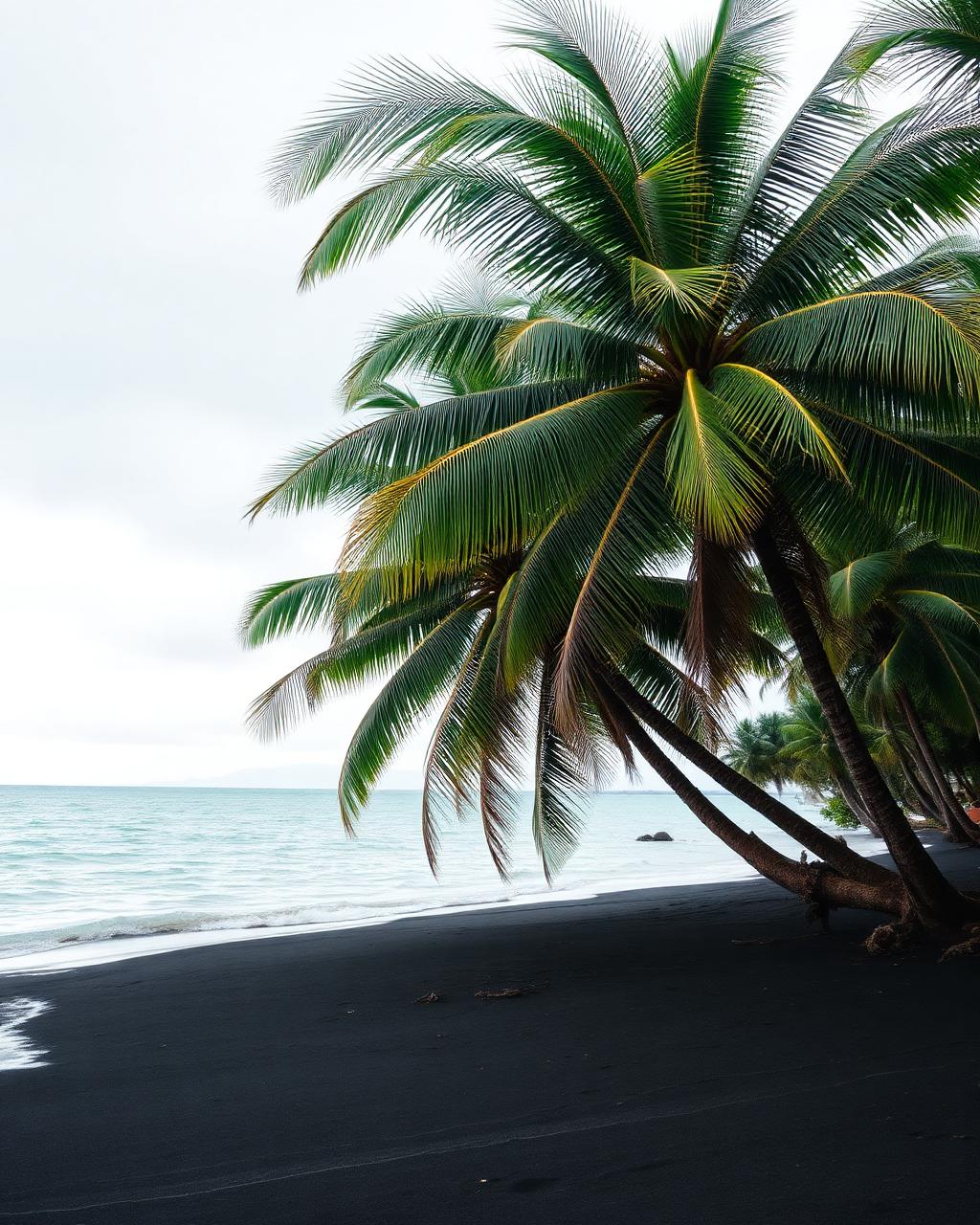
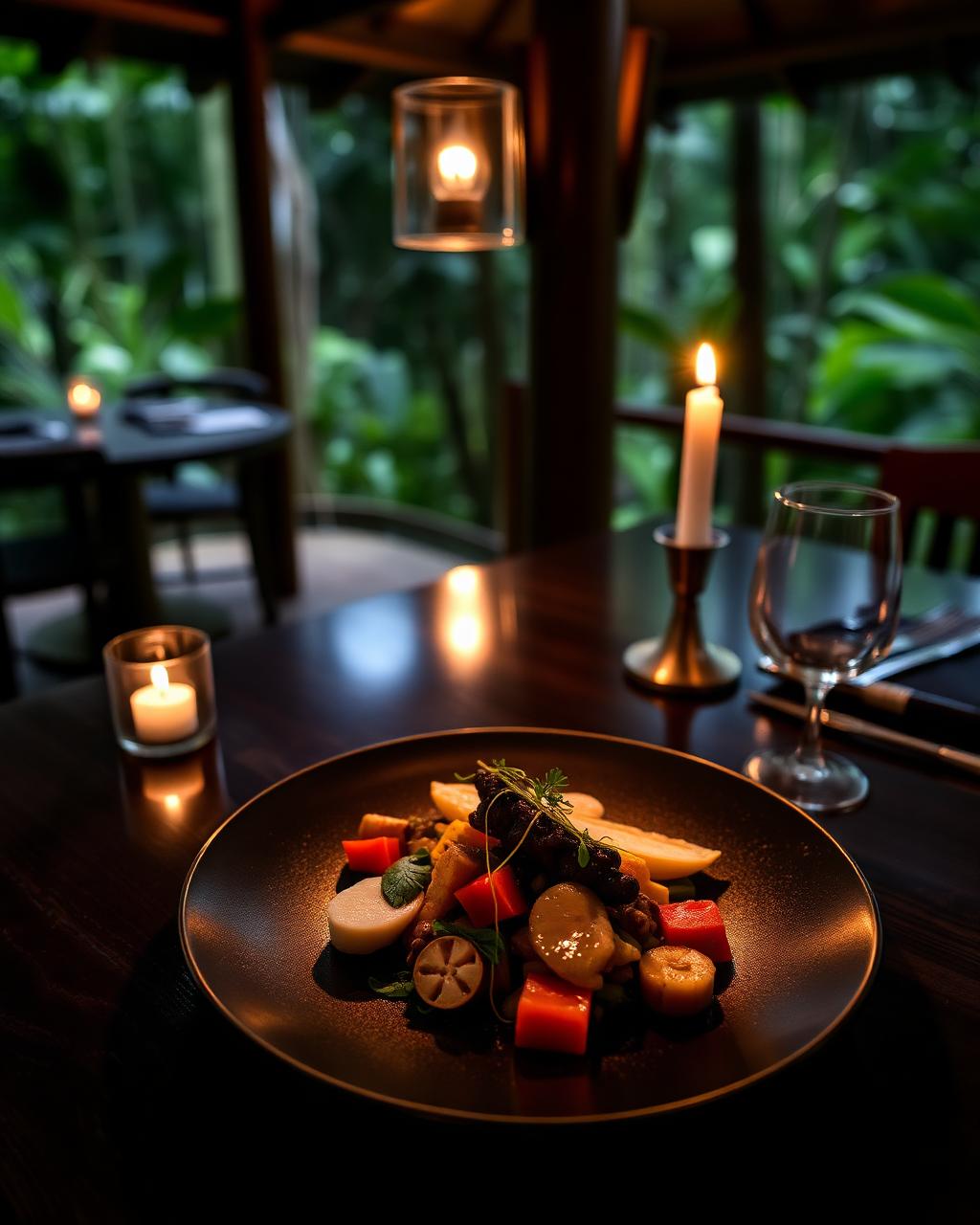
The south Caribbean is a different country with the same passport: Afro-Caribbean, Bribri and Spanish at once, warmer water than the Pacific, and a clock nobody bothers to check.
Bicycle distances, long lunches, music after dark. Nothing here is designed to be efficient.
Why go
- The most distinctive food and music culture in the country, and it is not staged for visitors.
- Reef-protected water that is warm, shallow and genuinely swimmable.
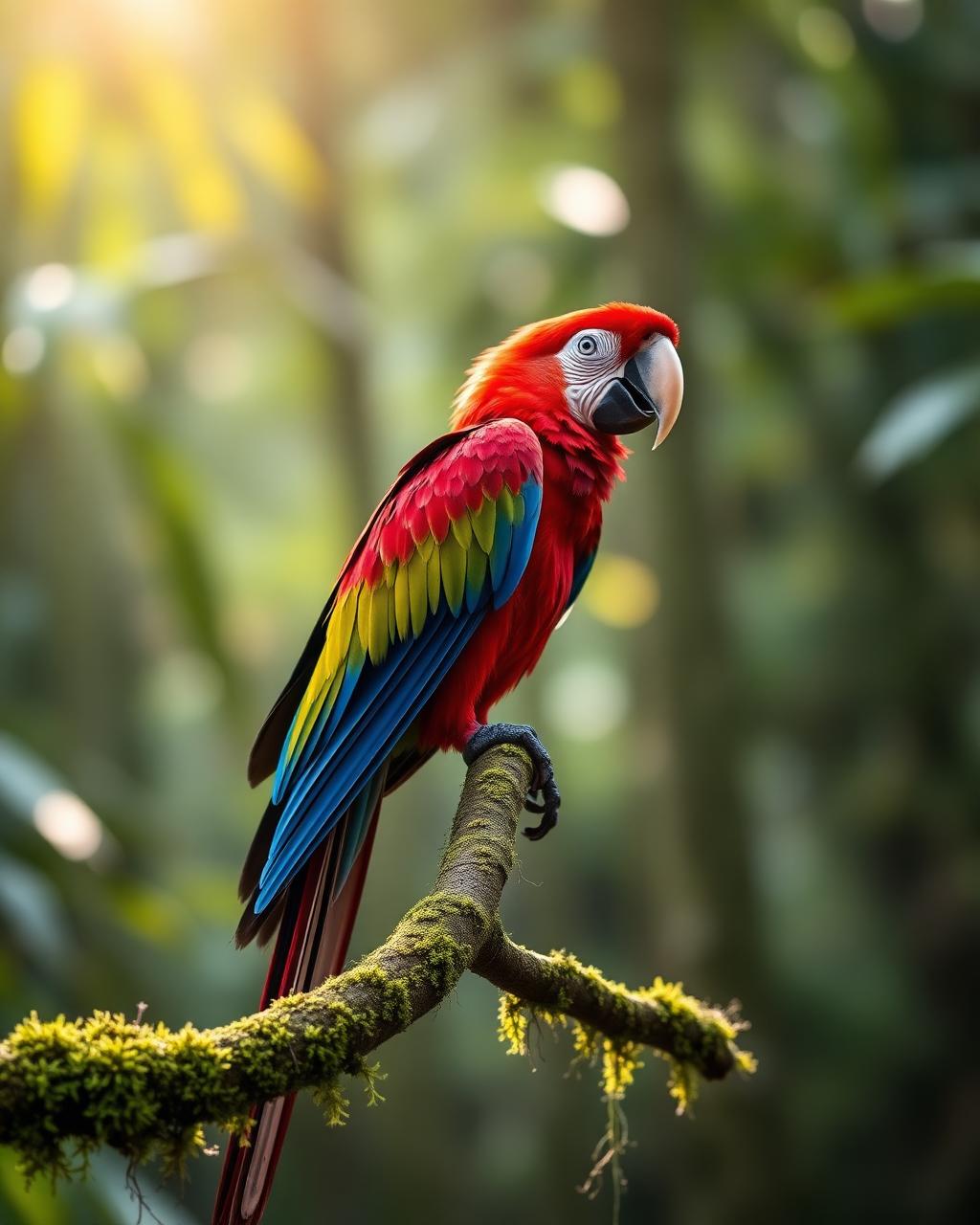
- Sloths, frogs and cacao farms within a short ride of the coast.
Best for
Not ideal forNot a polished resort coast, and it is a long way from the Pacific side. Rain arrives on its own calendar, and the infrastructure is village-scale rather than international.
How long to stay
3
A glimpse
Enough for the coast, not for the culture.
4
Balanced
Reef, kitchen and forest in one stay.
5
Immersive
Long enough that the coast stops feeling like a visit.
Reached overland from the Central Valley through the Caribbean lowlands; a long but straightforward drive on paved road.
Season by season
September and October — the Pacific's wettest weeks — are often the clearest here. This is the single most useful piece of Costa Rican timing knowledge.
Protected areas
- Gandoca-Manzanillo Wildlife Refuge
Signature experiences
Combines well with
Questions
- When should we visit the Caribbean coast?
- Often precisely when the Pacific is at its wettest. The two coasts run on different calendars, which is why the month you travel can change the whole route.
Editorial draft. Geography and protected-area names are verified; interpretation is ours and carries no prices, properties or availability.